
0%

So, picking the best modern-style front door from China? It takes a lot more than a few attractive photos. You’ve got to pay close attention to structure, climate, security, and whether the manufacturing is actually consistent. A sleek door can look great online and still perform badly next to a coastal home or on a freezing northern entrance. Honestly, the small details matter.

Architect Ludwig Mies van der Rohe’s old principle, “God is in the details,” still hits hard here. The frame, threshold, hinges, seals, glass, and surface finish often decide how the door holds up long term.

This introduction looks at how Chinese manufacturers approach modern entry doors for residential and commercial projects. It covers thermally broken aluminum, engineered steel, wood veneer, insulated glass, powder coating, and concealed hardware. It also asks some practical questions. Can the factory provide tested thermal and water resistance? Are dimensions checked before production? Does the coating stay stable under strong sunlight? And are replacement parts available after installation?

Some Chinese suppliers offer advanced CNC machining, strict quality inspection, and flexible customization. Others lean heavily on pretty samples. That difference matters. A factory showroom can’t replace independent testing, clear specifications, and verified project experience. Buyers should ask for drawings, material thicknesses, hardware brands, packing photos, and installation guidance before approving production.

There’s no universal winner. Not yet.

A large pivot door may suit a spacious villa, but it can create alignment headaches. A narrow aluminum door may improve efficiency, yet feel visually underpowered. This guide compares realistic strengths and weaknesses, helping readers judge value rather than simply chase the lowest quotation. Mistakes can happen, especially when suppliers describe performance differently. Careful verification remains essential.

What Is the Best Modern Style Front Door from China?

Modern Style Front Doors from China: An Overview

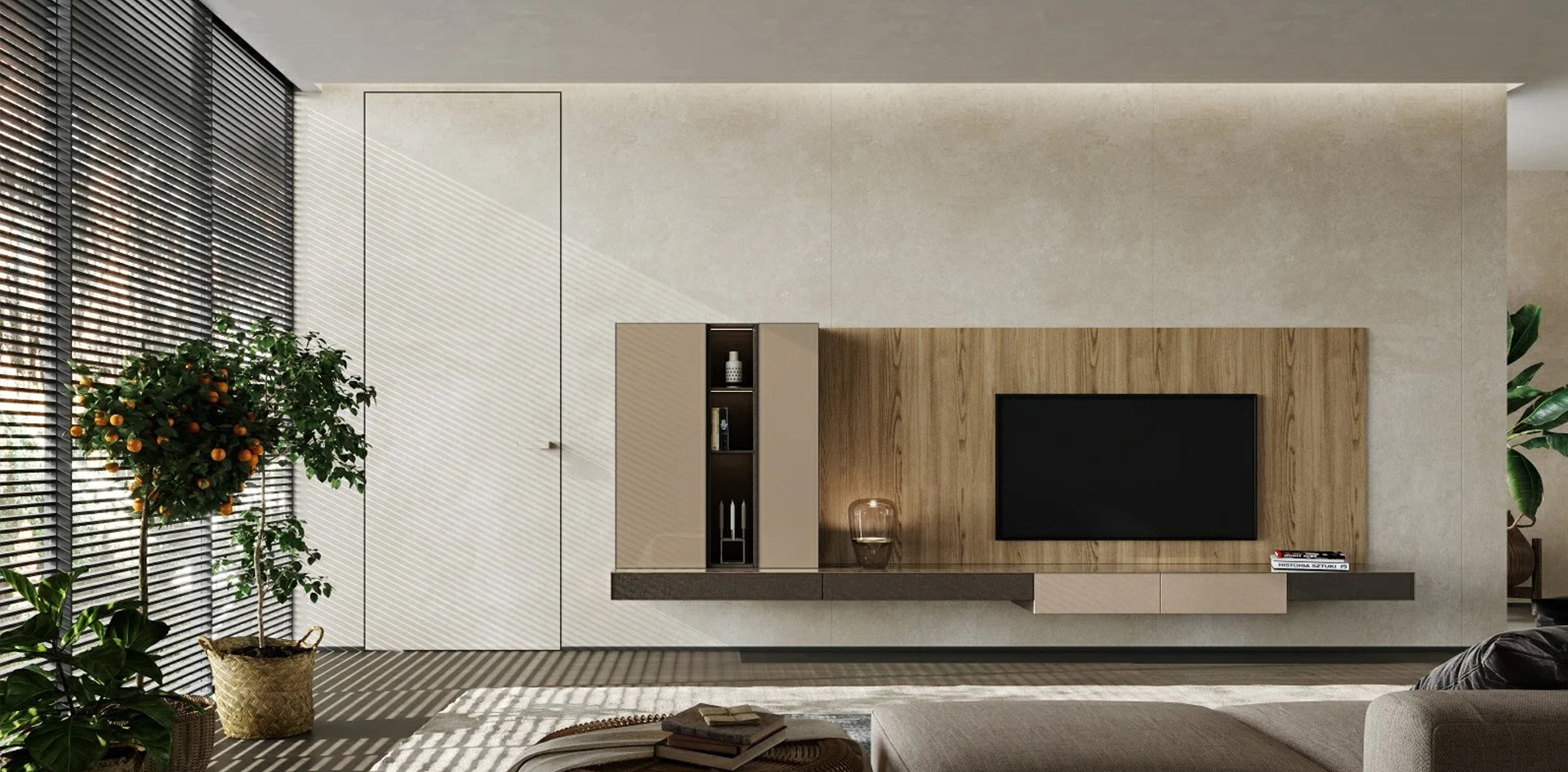
Modern style front doors from China offer a broad mix of clean lines, durable materials, and practical customization. Common designs use aluminum, steel, wood, or combinations of these materials. Slim frames and large glass panels create a bright, contemporary entrance. Textured powder coating can provide a matte black, warm gray, or wood-like finish.

In project reviews, I pay close attention to the door core, thermal break, weather seals, and hardware quality. A strong door should open smoothly and close without excessive force. Multi-point locks can improve security, while laminated or insulated glass may support comfort and privacy. Details matter. Ask for section drawings, material specifications, surface samples, and test information before confirming production. A factory’s ability to match dimensions accurately is often more important than an attractive digital image.

Customization is a major advantage when sourcing from China. Suppliers may adjust height, width, handle position, glass type, swing direction, and threshold design. Clear drawings reduce mistakes during manufacturing. Measure twice. I have learned that a beautiful render can hide an unsuitable sill or weak drainage detail. Buyers should also check packaging methods, inspection procedures, replacement-part support, and delivery schedules. Local climate matters too; coastal projects may require stronger corrosion protection, while cold regions need better insulation. A careful comparison of samples and technical documents gives a more reliable view than price alone.

Key Materials Used in Contemporary Chinese Front Door Design

The best modern front door from China combines clean geometry with climate-aware materials. A flush aluminum door suits contemporary homes and high-rise entrances. Thermally broken aluminum reduces heat transfer through the frame. It also resists moisture, insects, and coastal humidity better than untreated timber. Powder-coated surfaces offer stable color, although poor preparation can cause early peeling. That detail is often underestimated.

Material selection affects more than appearance. The International Energy Agency reported that buildings used about 30% of global final energy in 2022. The 2023 UNEP Global Status Report placed buildings and construction at 32% of global energy use. Therefore, insulated cores, airtight seals, and low-emissivity laminated glass deserve attention. Steel provides strong security and a slim profile, but it needs reliable anti-corrosion treatment. Wood veneer adds warmth, yet it may require more maintenance in humid southern regions. In practice, a composite door can be the more balanced choice. It is not always the most elegant option.

Tips: Ask for thermal-transmittance data, water-tightness testing, and air-leakage results. Check compliance with GB/T 8478-2020 where aluminum systems apply. Request a physical corner sample. Color screens can mislead. Inspect hinges, thresholds, gaskets, and drainage channels before installation. A beautiful door can still perform poorly when the frame is installed unevenly.

Key Materials Used in Contemporary Chinese Front Door Design

Typical thermal conductivity values show why modern front doors often combine structural metal with insulated cores, glass, and wood finishes. Lower values generally indicate better resistance to heat transfer.

Representative thermal conductivity at approximately room temperature, measured in W/m·K. Actual door performance depends on thickness, thermal breaks, seals, glazing, and the complete door assembly.

Popular Modern Front Door Styles and Architectural Features

A modern front door from China often combines clean geometry with practical climate control. Popular styles include flush slab doors, slim glass inserts, pivot doors, and warm wood-look finishes. China’s National Bureau of Statistics reported a 66.16% urbanization rate at the end of 2023. That growth supports compact, efficient entrances for apartments and new residential communities.

Architectural features matter more than decoration. A narrow vertical glass panel can bring daylight into a dark foyer. A recessed handle keeps the facade visually calm. Thermal-break aluminum, insulated cores, multi-point locks, and weather seals improve comfort and security. China’s GB 55015-2021 building energy standard also emphasizes better envelope performance, although local requirements may vary. Industry market reports often forecast steady growth in energy-efficient doors, but forecasts are not guarantees. Installation quality can weaken even an excellent specification.

Tips: Measure the opening twice. Confirm wall thickness, swing direction, drainage, and threshold height before ordering. Ask for tested air, water, wind, and thermal performance data. A matte charcoal finish looks refined, yet it may show dust near busy streets. Wood grain feels warmer, but color samples can change under strong sunlight. Do not choose oversized glass only for appearance; privacy and afternoon heat deserve equal attention. In my experience, the most successful modern entrance balances a quiet facade with details people notice daily: a firm latch, smooth movement, and no visible drafts. Small omissions still happen. Review the drawings carefully.

How to Evaluate Quality, Security, and Energy Efficiency

What Is the Best Modern Style Front Door from China?

How to Evaluate Quality, Security, and Energy Efficiency

A modern front door from China should be judged by evidence, not appearance alone. Inspect the frame, welds, surface finish, seals, and drainage design closely. A heavy door is not automatically a durable door. Ask for material specifications, factory test reports, and production photos. Request a full-size sample when possible. Test the sample. Check whether the panels remain aligned after repeated opening and closing. Independent inspection can reveal defects that polished product images hide.

Security depends on the complete system. Look for a reinforced frame, reliable hinges, a multipoint locking mechanism, and a cylinder suited to your local requirements. Laminated or tempered glass can improve resistance, but glass placement also matters. Avoid decorative designs that create weak points near the lock. Confirm that emergency exit needs and local building codes are respected. Hardware often receives less attention than the door panel. That is a mistake.

Energy efficiency requires more than a thick core. Compare the declared U-value, air-leakage performance, thermal breaks, and weather seals. A low-emissivity glass option may help in suitable climates. Correct installation is equally important; even an excellent door can leak around an uneven opening. Chinese suppliers may offer strong customization, but specifications can change between quotations. Review every measurement in writing. I would also allow extra time for packaging checks and replacement discussions. Perfect certainty is unrealistic, so careful documentation matters.

Customization Options for Size, Finish, Glass, and Hardware

A modern style front door from China can be tailored to a home’s exact entrance. Size customization is often the starting point. Manufacturers may produce single, double, or oversized doors with matching sidelights. Accurate opening measurements matter more than attractive drawings. Measure width, height, wall thickness, and floor level before production.

Finish selection changes the door’s character. Powder-coated aluminum can create a clean matte surface, while wood-grain textures add warmth without requiring regular staining. Dark gray feels architectural. Warm bronze feels softer. Request physical samples, because screen colors can be misleading. Even approved samples may look slightly different under outdoor light.

Glass and hardware deserve equal attention. Clear glass brings daylight, but frosted or textured glass improves privacy near busy streets. Laminated or insulated options may support safety and indoor comfort, depending on the project requirements. Handles, hinges, locks, and door closers should match the door’s weight and daily use. A heavy door with weak hardware becomes frustrating quickly. That mistake is easy to underestimate. Ask for hardware specifications, corrosion resistance, replacement availability, and installation guidance. Local building requirements should also be checked before ordering. Manufacturing quality can be consistent, but small finish marks or alignment issues may still appear. A detailed inspection checklist, protective packaging, and pre-shipment photos make the process more dependable.

What Is the Best Modern Style Front Door from China? - Customization Options for Size, Finish, Glass, and Hardware

Modern Door Configuration Typical Door Size Door Leaf and Core Exterior Finish Options Glass Options Hardware Options Recommended Application Key Customization Notes
Minimalist Flush Door 900–1200 mm W × 2000–2400 mm H Steel or aluminum skin with an insulated foam or honeycomb core; typical leaf thickness: 50–90 mm Powder-coated black, charcoal gray, white, bronze, or custom RAL color; wood-grain coating available No glass, narrow vertical lite, or frosted double glazing Lever handle, pull handle, multi-point lock, concealed hinges, optional smart lock preparation Contemporary houses, apartments, and projects requiring a clean architectural appearance Best choice when privacy, simple maintenance, and a strong visual statement are priorities
Vertical Glass Panel Door 900–1100 mm W × 2000–2400 mm H Aluminum or steel frame with insulated core; typical leaf thickness: 50–80 mm Matte black, dark gray, metallic bronze, natural aluminum, or textured powder coating Double or triple glazing; clear, low-iron, frosted, tinted, laminated, or patterned glass Long bar pull, lever handle, cylinder lock, multi-point locking system, adjustable hinges Modern entrances where daylight and a visually taller door proportion are desired Glass width, height, opacity, and position can be adjusted to balance daylight with privacy
Wide Pivot Door 1000–1600 mm W × 2100–3000 mm H Reinforced aluminum or steel construction with a heavy-duty pivot system; typical leaf thickness: 60–100 mm Powder coating, wood-look finish, brushed metal effect, or smooth architectural coating Optional side lite, horizontal slit, full-height laminated glass, or opaque insulated panel Top-and-bottom pivot hardware, recessed pull handle, concealed closer, flush locking points Large residential entryways, villas, and high-impact architectural façades Requires accurate structural opening measurements and adequate header or threshold support
Wood-Look Modern Door 850–1200 mm W × 2000–2400 mm H Insulated steel or aluminum leaf with a wood-grain architectural finish; typical leaf thickness: 50–90 mm Oak, walnut, teak, wenge, or smoked-wood appearance with matte or fine-textured surface Clear, frosted, or bronze laminated glass in a narrow vertical or horizontal insert Black or brushed stainless-steel pull handle, concealed hinges, deadbolt, multi-point lock Homes seeking warmth and natural texture without the maintenance of exposed timber Grain direction, color tone, edge detailing, and panel layout can be specified before production
Double Entry Door 1400–2200 mm W × 2000–2600 mm H Two insulated steel or aluminum leaves with reinforced meeting stiles; typical leaf thickness: 50–90 mm Single-color powder coating, two-tone finish, wood-look coating, or contrasting frame color Fixed glass panels, narrow lites, frosted glass, laminated safety glass, or matching sidelights Primary active-leaf lock, shoot bolts, paired pull handles, concealed closers, adjustable hinges Grand entrances, luxury residences, and openings that require a wider clear passage The active leaf, inactive leaf, astragal, threshold, and locking sequence should be confirmed in the drawings
Thermally Broken Aluminum Door 800–1400 mm W × 2000–2800 mm H Thermally separated aluminum profiles with insulated panels or glazing; typical leaf thickness: 60–100 mm Durable powder coating, anodized appearance, wood-look finish, or custom architectural color Low-emissivity double or triple glazing, laminated safety glass, frosted glass, or decorative glazing Multi-point lock, compression seals, adjustable hinges, lever or pull handle, optional access control Cold or hot climates where thermal performance, weather resistance, and low maintenance matter Confirm the required opening direction, weather seals, threshold height, drainage, and local performance standards
Selection Guide: The best modern front door depends on the opening dimensions, local climate, desired privacy, security requirements, and architectural style. Final dimensions should be verified from the finished structural opening before fabrication.

Choosing the Best Chinese Front Door for Different Property Types

What Is the Best Modern Style Front Door from China?

Choosing the best Chinese front door depends on the property, climate, and daily traffic. A design that suits a city apartment may feel excessive in a private villa.

For apartments,

choose a slim insulated steel or aluminum door with concealed hinges and a quiet multi-point lock. The U.S. Department of Energy reports that windows, skylights, and doors can represent 25–30% of residential heating and cooling energy use. Therefore, an insulated core and well-fitted weather seals deserve more attention than decorative panels. Small details matter. Check the threshold carefully.

For villas,

a wider pivot or double door can create a stronger entrance, but the frame must resist wind, rain, and repeated movement. Ask the supplier for thermal transmittance values calculated under ISO 10077-1, plus air, water, and wind-performance test results. Coastal homes need corrosion-resistant finishes, while cold regions need better insulation and low air leakage. In my experience, buyers often choose oversized glass because it looks modern. That choice can reduce privacy and increase solar heat.

Commercial buildings need

durable hardware, clear opening dimensions, and simple maintenance access. Fire-rated or security-rated assemblies should include complete test documentation, not only a decorative certificate. The 2024 Global Status Report for Buildings and Construction shows that buildings remain responsible for about 32% of global energy demand, making efficient entrances increasingly practical. Still, one specification rarely fits every project. Rechecking local weather, wall thickness, and installation quality can prevent an expensive mistake.

MD142 Non-Thermal Slimline Sliding Door: Features, Benefits, Design Options, and Applications

The MD142 Non-Thermal Slimline Sliding Door combines a narrow-profile frame with smooth, space-saving operation for residential and light commercial applications. Its design supports panel weights from 150 kg to 500 kg, with maximum dimensions of 2,000 mm in width and 3,500 mm in height. A 30 mm glass configuration provides a substantial glazed area for daylight and outdoor views, making the system suitable for patios, balconies, garden rooms, hospitality spaces, and interior room dividers.

Energy performance remains an important consideration in modern fenestration. According to the International Energy Agency’s *Global Status Report for Buildings and Construction*, buildings account for approximately 30% of global final energy consumption, while the U.S. Department of Energy reports that windows can contribute significantly to residential heating and cooling losses. As a non-thermal system, the MD142 is particularly suited to mild climates, internal applications, and projects where slim sightlines and generous openings are prioritized. Glass selection, installation quality, shading, and orientation can further influence comfort and operational performance.

Design flexibility is supported by stainless-steel flymesh options, available in foldable or rolling formats. These configurations help maintain ventilation while reducing the entry of insects, making them practical for kitchens, living areas, dining spaces, and covered outdoor zones. The combination of high load capacity, large panel potential, and adaptable screening allows architects and homeowners to develop open-plan layouts without sacrificing everyday usability.

FAQS

Which materials suit a modern front door in humid climates?

Thermally broken aluminum resists moisture, insects, and coastal humidity. Wood veneer feels warmer, but it may need more maintenance. Composite construction can offer a practical balance. Not always beautiful.

Why are thermal breaks important in an aluminum door?

Thermal breaks reduce heat transfer through the frame. They can improve indoor comfort and reduce unwanted temperature changes. Ask for declared thermal-transmittance data before choosing.

How can I check a door’s construction quality?

Inspect welds, frame corners, seals, hinges, thresholds, and drainage channels. Ask for factory test reports and production photographs. A full-size sample reveals alignment problems better than images. Photos can flatter.

What security features should a modern front door include?

Look for a reinforced frame, strong hinges, and a multipoint locking mechanism. Choose a suitable cylinder for local requirements. Avoid decorative openings near the lock. Small gaps matter.

Does a heavier front door provide better security?

Not automatically. Security depends on the complete system, including the frame and hardware. A heavy panel may still perform poorly with weak hinges or poor installation.

How can I compare energy efficiency between different doors?

Compare U-values, air-leakage results, thermal breaks, and weather-seal quality. Low-emissivity laminated glass may help in suitable climates. A thick core alone proves little.

What tests should I request from a supplier?

Request water-tightness, air-leakage, and thermal-performance results. For applicable aluminum systems, ask about GB/T 8478-2020 compliance. Check every measurement in writing. Quotations can change.

Why does installation affect door performance so much?

An uneven opening can create air leaks around an excellent door. Poor drainage alignment may also allow water entry. Inspect the frame before final fixing. Installation is not an afterthought.

What should I inspect before accepting delivery?

Check packaging, surface finish, panel alignment, hardware, glass, seals, and frame corners. Open and close the door repeatedly. Look for peeling, scratches, gaps, or movement. I would allow extra time for replacement discussions.

Conclusion

Choosing the best Modern Style Front Door from China involves balancing design, durability, security, and energy efficiency. Contemporary Chinese front doors are commonly made from materials such as steel, aluminum, solid wood, and engineered composites, each offering different benefits in strength, appearance, insulation, and maintenance. Popular styles include minimalist slab doors, geometric panel designs, large glass combinations, and doors with clean lines that complement modern architecture. Important quality factors include reliable construction, strong locking systems, weather-resistant finishes, accurate installation, and effective sealing against heat, cold, and noise.

Customization allows homeowners and developers to select suitable sizes, colors, textures, glass types, handles, hinges, and other hardware. The ideal door should match the property’s structure and daily requirements. A residential home may benefit from a warm wood finish and decorative glazing, while apartments, villas, offices, and commercial buildings may require enhanced security, larger dimensions, or a more refined architectural appearance. By comparing materials, performance specifications, customization flexibility, and after-sales support, buyers can select a practical and attractive front door for long-term use.

Ethan

Ethan

Ethan is a professional marketing specialist with a strong understanding of architectural products, interior design, and modern manufacturing. Based in a company founded in the UK with more than a decade of manufacturing experience in China, he is dedicated to communicating practical ideas and......