
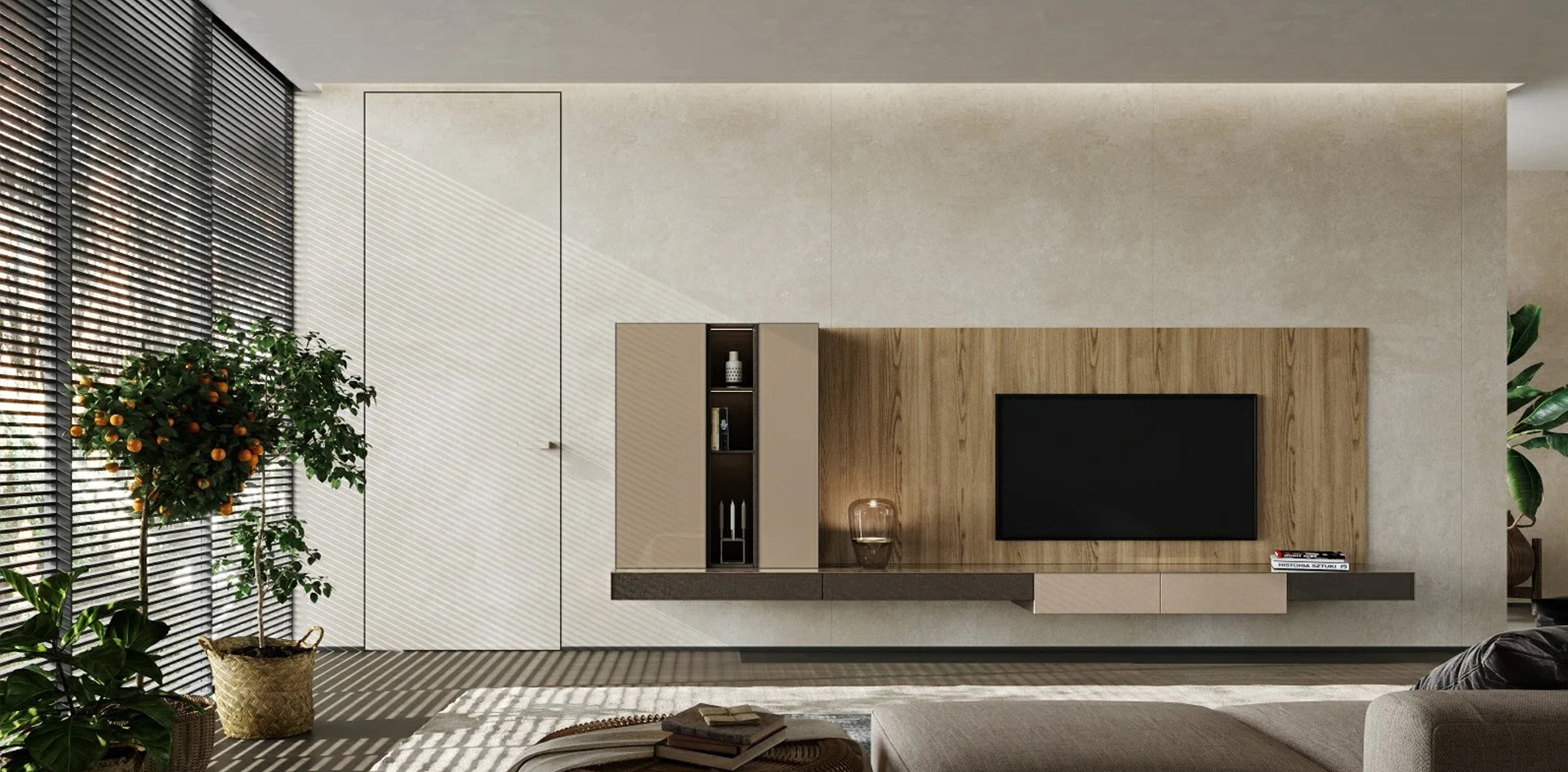




High-Quality Door Swing Direction: Explore Leading Manufacturers
When I think about high-quality door swing direction, I envision durability and precision. These expertly engineered doors are designed to meet the demanding standards of any commercial space. As a discerning buyer, I realize the importance of choosing the right manufacturer who understands the balance between functionality and aesthetics. With these doors, you’ll find a blend of robust materials and innovative designs, ensuring that they not only look great but also operate flawlessly. I appreciate the flexibility they offer, allowing for seamless integration into a variety of architectural styles. Plus, their silent operation is a game changer in busy environments. Investing in high-quality options like these means greater longevity and less maintenance down the line, ultimately saving me time and money. If you want to elevate your project's value, partnering with a reliable manufacturer to source the best door solutions is the key to success. Don't settle for less!
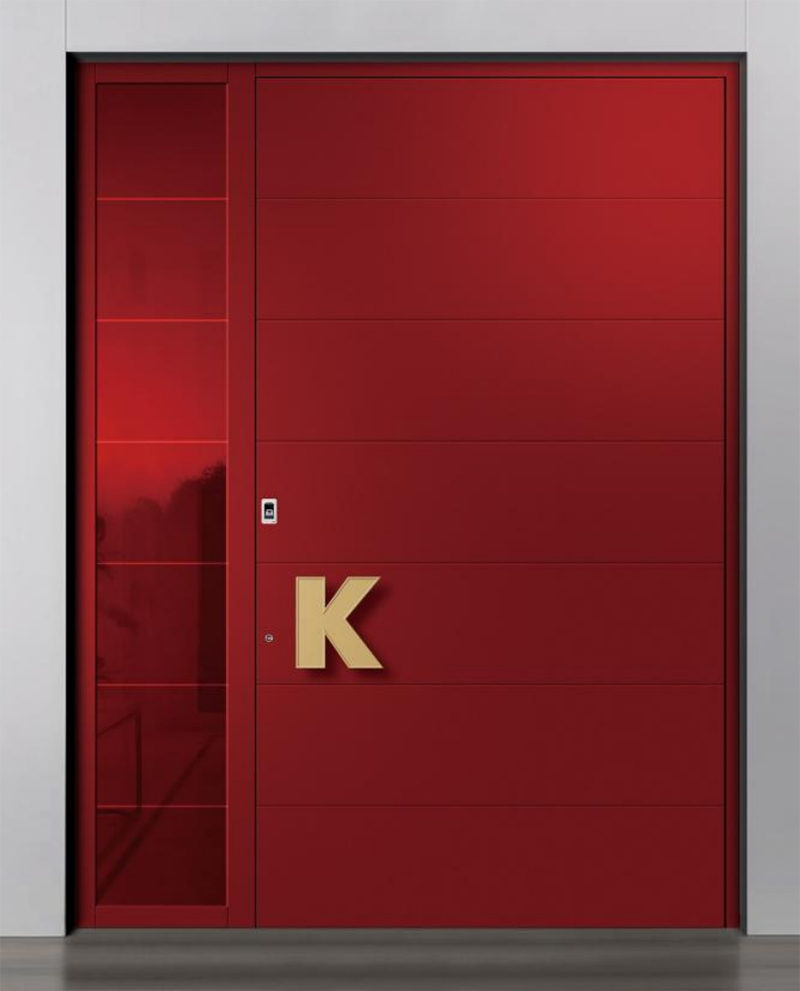


high quality Door Swing Direction in 2025 From Concept to Delivery
As we step into 2025, the demand for high-quality door swing direction solutions is set to reshape the architectural landscape. Global procurement specialists will find that the emphasis on functionality paired with aesthetic appeal has never been more critical. The concept of door swing direction goes beyond mere utility—it embodies the intersection of design innovation and user experience. Whether for commercial or residential applications, understanding the nuances of swing directions can significantly enhance space efficiency and user accessibility. The journey from concept to delivery involves meticulous planning and execution. It begins with understanding market needs through comprehensive research that identifies trends in building layouts and user preferences. By utilizing advanced materials and leveraging cutting-edge manufacturing techniques, companies can ensure that their door systems meet the highest quality standards while remaining competitively priced. Furthermore, sustainability plays a vital role in modern production processes, making eco-friendly materials a priority for forward-thinking procurement professionals. Moreover, effective collaboration between designers, manufacturers, and suppliers is essential in delivering seamless solutions. Embracing digital tools and platforms facilitates real-time communication and integrated supply chains, ensuring projects are completed on schedule without compromising quality. As both commercial clients and individual consumers become more discerning, the ability to provide tailored door solutions that cater to specific needs will undoubtedly set businesses apart in the competitive global market.
High Quality Door Swing Direction in 2025: From Concept to Delivery
| Project Phase | Completion Date | Key Features | Sustainability Goals | Technology Use |
|---|---|---|---|---|
| Concept Development | Q1 2025 | Innovative swing mechanics, User-friendly design | Use of recycled materials | Smart door sensors |
| Prototype Testing | Q2 2025 | Enhanced durability, Aesthetic appeal | Low VOC finishes | AI-driven performance metrics |
| Production | Q3 2025 | Batch production, Customizable options | Carbon offset initiatives | Robotic assembly line |
| Market Launch | Q4 2025 | Launch events, Marketing campaigns | Recycling program for old doors | Augmented reality features |
Related Products
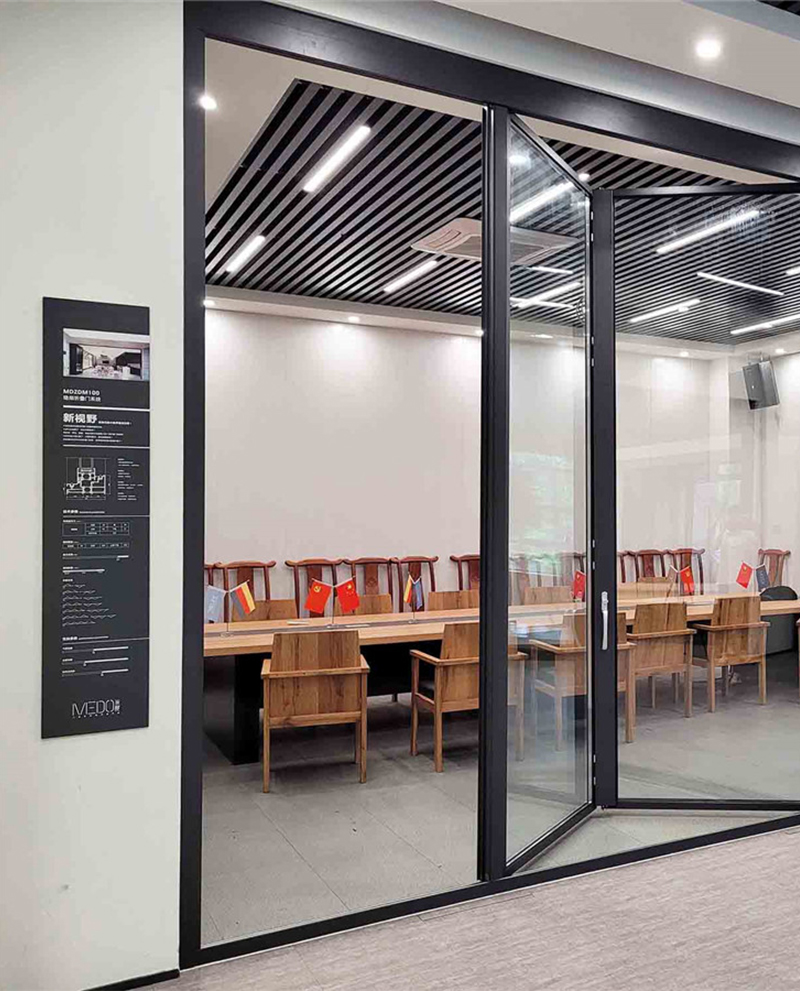



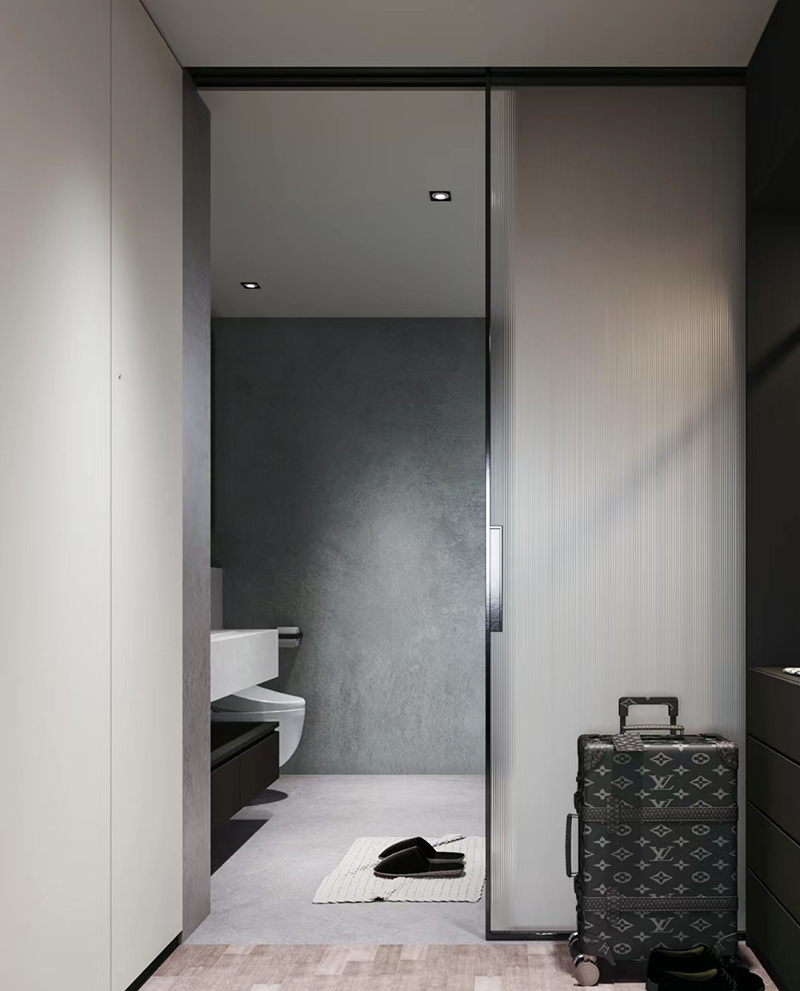

high quality Door Swing Direction Global Reach Service Backed by Expertise
Top Selling Products





- Related Blog
- Reviews

-

E-mail
-

Phone
-

Wechat

-

Whatsapp

-

Top


